Buy healthmastery.eu ?
We are moving the project
healthmastery.eu .
Are you interested in purchasing the domain
healthmastery.eu ?
domain@kv-gmbh.de · 0541-91531010
Buy healthmastery.eu ?
Is there an alphabet like the NATO alphabet for the Cyrillic/Russian alphabet?
Yes, there is a phonetic alphabet used for the Cyrillic/Russian alphabet, similar to the NATO alphabet. It is called the Russian Phonetic Alphabet, also known as the Radiotelephony Spelling Alphabet of the Russian Federation. This alphabet is used to spell out words and names over the phone or radio in a clear and standardized way. Each letter of the Cyrillic alphabet is represented by a specific word, just like in the NATO alphabet. **
'Greek alphabet subordinate systems'
The Greek alphabet subordinate systems are additional alphabets or symbols derived from the Greek alphabet. These systems include the Coptic, Cyrillic, and Gothic alphabets, among others. Each of these systems has its own unique set of characters and is used in various languages and writing systems. The Greek alphabet has had a significant influence on the development of writing systems in different cultures throughout history. **


Similar search terms for Alphabet
Top-Angebote
Products related to Alphabet:
-
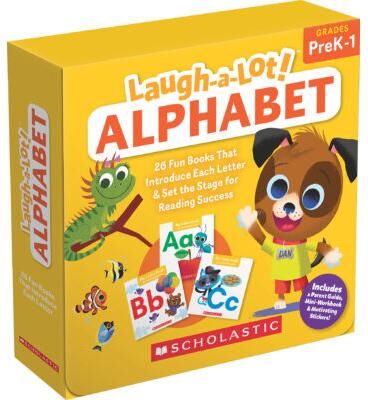
Scholastic Laugh-a-Lot Alphabet BooksHelp your child soar with this irresistible A-to-Z book set! Inside this bright box, you'll find 26 titles that target and teach each letter of the alphabet via a humorous tale and a host of easy activities. Includes a tip-filled family guide,...23,99 $*Shipping: 0,00 $Secure redirect to the provider
-
Scholastic Learn The Alphabet & Numbers CollectionHelp your child learn the alphabet and numbers with this interactive bundle.This set contains:I SPY LettersI SPY NumbersScholastic Early Learners: Write-and-Repeat Alphabet PracticeScholastic Early Learners: Write-and-Repeat Number...44,99 $*Shipping: 0,00 $Secure redirect to the provider
-
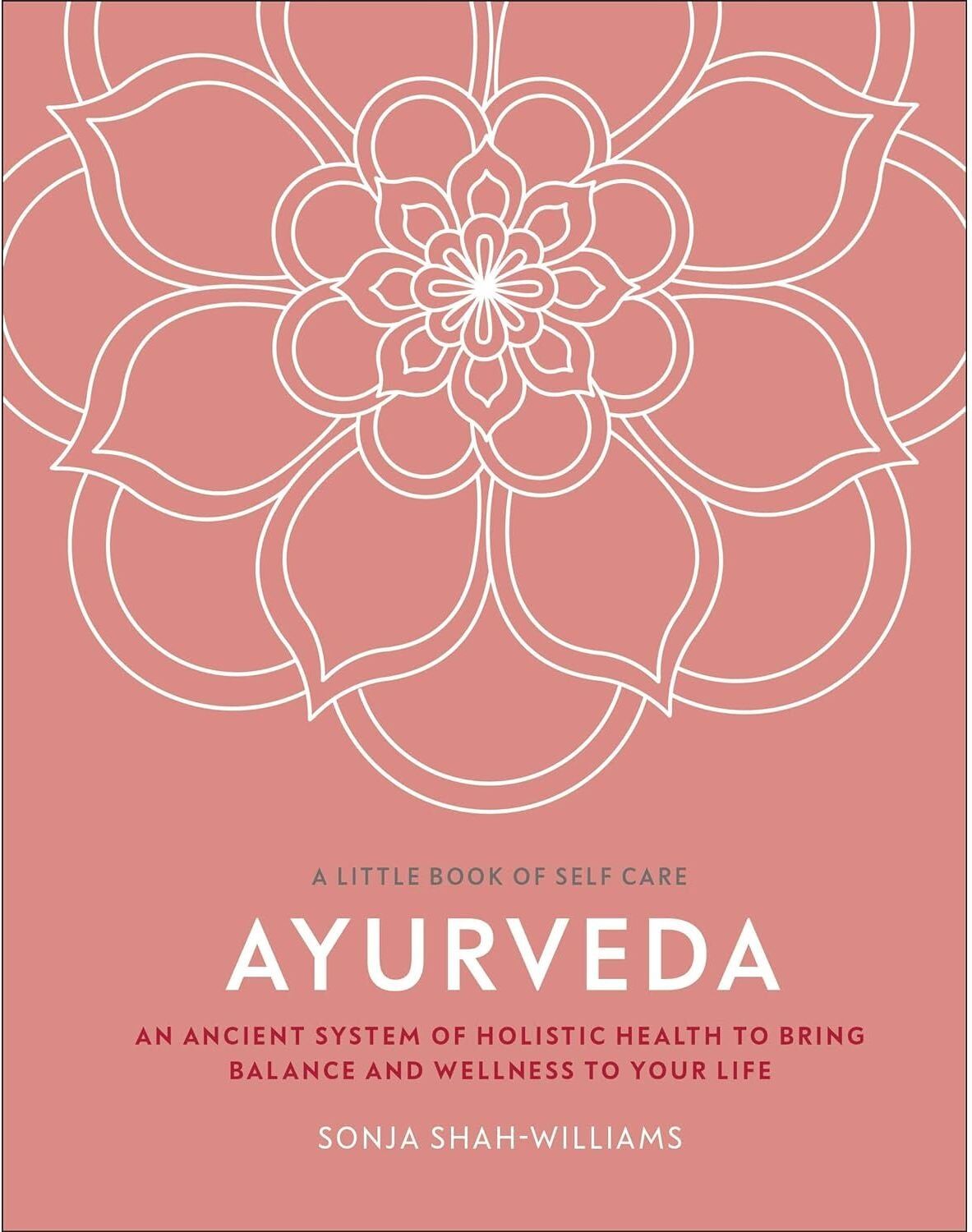
DK Ayurveda: An Ancient System of Holistic Health to Bring Balance and Wellness to Your Life (A Little Book of Self Care)Make Ayurveda an indispensable part of your daily routine with this step-by-step guide to holistic balance and wellness. For a natural approach to self-healing, alternative medicine, and wellness, expert Sonja Shah-Williams has tailored remedies including Ayurveda recipes, skincare, yoga, and mindful meditation techniques. Harness the power of alternative therapies and discover: - What Ayurveda is and the benefits of the practice - Easy to follow, step by step illustrated guide to Ayurvedic practices - Ayurvedic super-foods and recipes - How to easily incorporate holistic practices into daily life - Positive affirmations, mindfulness techniques and exercises Modern science has proved the effectiveness of Ayurveda as a view of the world based on ancient beliefs that everything is connected and that balance is the key to wellbeing. Ayurveda focuses on the prevention of disease by focusing on anti-inflammatory diets, mindful meditation, and massages. This practical guide is an Ayurvedic consultation at your disposal. This little self-care book will take you on a breathtaking journey of holistic healing. It begins by unpacking what Ayurveda is and the benefits of the practice. This reference book includes wellness practices designed to uplift the mind, body, and spirit and healing treatments designed to address, relieve, and help cure a range of common conditions.4,95 £*Shipping: 1,99 £Secure redirect to the provider


-
Greek alphabet subordinate systems
The Greek alphabet has been used as the basis for several subordinate systems, such as the Coptic alphabet used for the Coptic language in Egypt, the Cyrillic alphabet used for Slavic languages, and the Gothic alphabet used for the Gothic language. These systems were developed by modifying and adapting the Greek alphabet to suit the phonetic needs of the respective languages. Each subordinate system retains some similarities to the Greek alphabet, such as certain letter shapes or phonetic values, but also incorporates unique characters or modifications to represent specific sounds. **
-
"Is the letter Z being removed from the alphabet?"
No, the letter Z is not being removed from the alphabet. The alphabet remains unchanged with the letter Z included. This is a common misconception or rumor that has no basis in reality. The letter Z continues to be an essential part of the English alphabet. **
-
What are meditation and mindfulness?
Meditation is a practice that involves focusing the mind on a particular object, thought, or activity to train attention and awareness, and achieve a mentally clear and emotionally calm state. Mindfulness is a type of meditation that involves paying attention to the present moment without judgment. It involves being fully aware of your thoughts, feelings, bodily sensations, and surrounding environment. Both meditation and mindfulness have been shown to have numerous benefits for mental and physical well-being, including reducing stress, improving focus, and enhancing overall quality of life. **
-
What is the Cyrillic alphabet?
The Cyrillic alphabet is a writing system used for various languages across Eastern Europe and parts of Central Asia. It was developed in the 9th century in the First Bulgarian Empire and is named after Saint Cyril, one of the two Byzantine brothers who created the Glagolitic alphabet. The Cyrillic alphabet is used in countries such as Russia, Ukraine, Bulgaria, and Serbia, among others. It consists of 33 letters and is known for its distinctive characters and pronunciation. **


How does alphabet dialing work?
Alphabet dialing, also known as alphanumeric dialing, allows users to dial phone numbers using the letters associated with each number on a telephone keypad. For example, the number 2 is associated with the letters A, B, and C. Users can spell out words or phrases using the corresponding letters to dial a phone number. This feature is commonly used for vanity phone numbers or to make it easier to remember phone numbers. The phone system then translates the letters into the corresponding numbers to connect the call. **
Who invented the Greek alphabet?
The Greek alphabet was developed around the 8th century BCE by the Greeks living in Ionia, a region in present-day Turkey. It was based on the earlier Phoenician alphabet, with some modifications and additions to better suit the Greek language. The Greek alphabet eventually spread throughout the Greek world and became the basis for many other alphabets, including the Latin alphabet used in English and many other languages today. **
Top-Angebote
Products related to Alphabet:
-
Veer Decor Animal Alphabet WallpaperTransform any space into a playful learning sanctuary with the Animal Alphabet wallpaper. This hand-illustrated design features a whimsical cast of creatures and letters, blending a modern storybook aesthetic with early literacy.163,49 $*Shipping: 0,00 $Secure redirect to the provider
-
Inspire Curations Colorful Alphabet Number Puzzle Board Wooden Alphabet & Number Matching Game For Preschool Kids lettersLittle hands love clicking pieces into placeand that simple moment is where learning starts. This bright wooden puzzle helps kids practice letters and numbers through handson matching, sorting, and repeat play. Its a calm, screenfree activity that...46,90 $*Shipping: 0,00 $Secure redirect to the provider
-
Scholastic Laugh-a-Lot Alphabet BooksHelp your child soar with this irresistible A-to-Z book set! Inside this bright box, you'll find 26 titles that target and teach each letter of the alphabet via a humorous tale and a host of easy activities. Includes a tip-filled family guide,...23,99 $*Shipping: 0,00 $Secure redirect to the provider
-
Is there an alphabet like the NATO alphabet for the Cyrillic/Russian alphabet?
Yes, there is a phonetic alphabet used for the Cyrillic/Russian alphabet, similar to the NATO alphabet. It is called the Russian Phonetic Alphabet, also known as the Radiotelephony Spelling Alphabet of the Russian Federation. This alphabet is used to spell out words and names over the phone or radio in a clear and standardized way. Each letter of the Cyrillic alphabet is represented by a specific word, just like in the NATO alphabet. **
-
'Greek alphabet subordinate systems'
The Greek alphabet subordinate systems are additional alphabets or symbols derived from the Greek alphabet. These systems include the Coptic, Cyrillic, and Gothic alphabets, among others. Each of these systems has its own unique set of characters and is used in various languages and writing systems. The Greek alphabet has had a significant influence on the development of writing systems in different cultures throughout history. **
-
Greek alphabet subordinate systems
The Greek alphabet has been used as the basis for several subordinate systems, such as the Coptic alphabet used for the Coptic language in Egypt, the Cyrillic alphabet used for Slavic languages, and the Gothic alphabet used for the Gothic language. These systems were developed by modifying and adapting the Greek alphabet to suit the phonetic needs of the respective languages. Each subordinate system retains some similarities to the Greek alphabet, such as certain letter shapes or phonetic values, but also incorporates unique characters or modifications to represent specific sounds. **
-
"Is the letter Z being removed from the alphabet?"
No, the letter Z is not being removed from the alphabet. The alphabet remains unchanged with the letter Z included. This is a common misconception or rumor that has no basis in reality. The letter Z continues to be an essential part of the English alphabet. **
Similar search terms for Alphabet
-
Scholastic Learn The Alphabet & Numbers CollectionHelp your child learn the alphabet and numbers with this interactive bundle.This set contains:I SPY LettersI SPY NumbersScholastic Early Learners: Write-and-Repeat Alphabet PracticeScholastic Early Learners: Write-and-Repeat Number...44,99 $*Shipping: 0,00 $Secure redirect to the provider
-
DK Ayurveda: An Ancient System of Holistic Health to Bring Balance and Wellness to Your Life (A Little Book of Self Care)Make Ayurveda an indispensable part of your daily routine with this step-by-step guide to holistic balance and wellness. For a natural approach to self-healing, alternative medicine, and wellness, expert Sonja Shah-Williams has tailored remedies including Ayurveda recipes, skincare, yoga, and mindful meditation techniques. Harness the power of alternative therapies and discover: - What Ayurveda is and the benefits of the practice - Easy to follow, step by step illustrated guide to Ayurvedic practices - Ayurvedic super-foods and recipes - How to easily incorporate holistic practices into daily life - Positive affirmations, mindfulness techniques and exercises Modern science has proved the effectiveness of Ayurveda as a view of the world based on ancient beliefs that everything is connected and that balance is the key to wellbeing. Ayurveda focuses on the prevention of disease by focusing on anti-inflammatory diets, mindful meditation, and massages. This practical guide is an Ayurvedic consultation at your disposal. This little self-care book will take you on a breathtaking journey of holistic healing. It begins by unpacking what Ayurveda is and the benefits of the practice. This reference book includes wellness practices designed to uplift the mind, body, and spirit and healing treatments designed to address, relieve, and help cure a range of common conditions.4,95 £*Shipping: 1,99 £Secure redirect to the provider
-
What are meditation and mindfulness?
Meditation is a practice that involves focusing the mind on a particular object, thought, or activity to train attention and awareness, and achieve a mentally clear and emotionally calm state. Mindfulness is a type of meditation that involves paying attention to the present moment without judgment. It involves being fully aware of your thoughts, feelings, bodily sensations, and surrounding environment. Both meditation and mindfulness have been shown to have numerous benefits for mental and physical well-being, including reducing stress, improving focus, and enhancing overall quality of life. **
-
What is the Cyrillic alphabet?
The Cyrillic alphabet is a writing system used for various languages across Eastern Europe and parts of Central Asia. It was developed in the 9th century in the First Bulgarian Empire and is named after Saint Cyril, one of the two Byzantine brothers who created the Glagolitic alphabet. The Cyrillic alphabet is used in countries such as Russia, Ukraine, Bulgaria, and Serbia, among others. It consists of 33 letters and is known for its distinctive characters and pronunciation. **
-
How does alphabet dialing work?
Alphabet dialing, also known as alphanumeric dialing, allows users to dial phone numbers using the letters associated with each number on a telephone keypad. For example, the number 2 is associated with the letters A, B, and C. Users can spell out words or phrases using the corresponding letters to dial a phone number. This feature is commonly used for vanity phone numbers or to make it easier to remember phone numbers. The phone system then translates the letters into the corresponding numbers to connect the call. **
-
Who invented the Greek alphabet?
The Greek alphabet was developed around the 8th century BCE by the Greeks living in Ionia, a region in present-day Turkey. It was based on the earlier Phoenician alphabet, with some modifications and additions to better suit the Greek language. The Greek alphabet eventually spread throughout the Greek world and became the basis for many other alphabets, including the Latin alphabet used in English and many other languages today. **
* All prices are inclusive of VAT and, if applicable, plus shipping costs. The offer information is based on the details provided by the respective shop and is updated through automated processes. Real-time updates do not occur, so deviations can occur in individual cases. ** Note: Parts of this content were created by AI.