Buy healthmastery.eu ?
We are moving the project
healthmastery.eu .
Are you interested in purchasing the domain
healthmastery.eu ?
domain@kv-gmbh.de · 0541-91531010
Buy healthmastery.eu ?
How do non-homologous recombination and homologous recombination work?
Non-homologous recombination involves the joining of two DNA molecules at non-homologous sequences, resulting in the insertion, deletion, or rearrangement of genetic material. This process is often error-prone and can lead to mutations. Homologous recombination, on the other hand, involves the exchange of genetic material between two similar DNA molecules, typically occurring during meiosis. This process is important for repairing DNA damage and ensuring genetic diversity. It involves the exchange of genetic material between homologous chromosomes, resulting in the formation of new combinations of genes. **
What is the difference between interchromosomal recombination and intrachromosomal recombination?
Interchromosomal recombination involves the exchange of genetic material between two different chromosomes, while intrachromosomal recombination involves the exchange of genetic material within the same chromosome. Interchromosomal recombination can result in the creation of new combinations of genes from different chromosomes, leading to genetic diversity. In contrast, intrachromosomal recombination can lead to the repair of DNA damage or the creation of genetic variation within the same chromosome. Both processes are important for genetic diversity and evolution. **

Similar search terms for Recombination
Top-Angebote
Products related to Recombination:
-
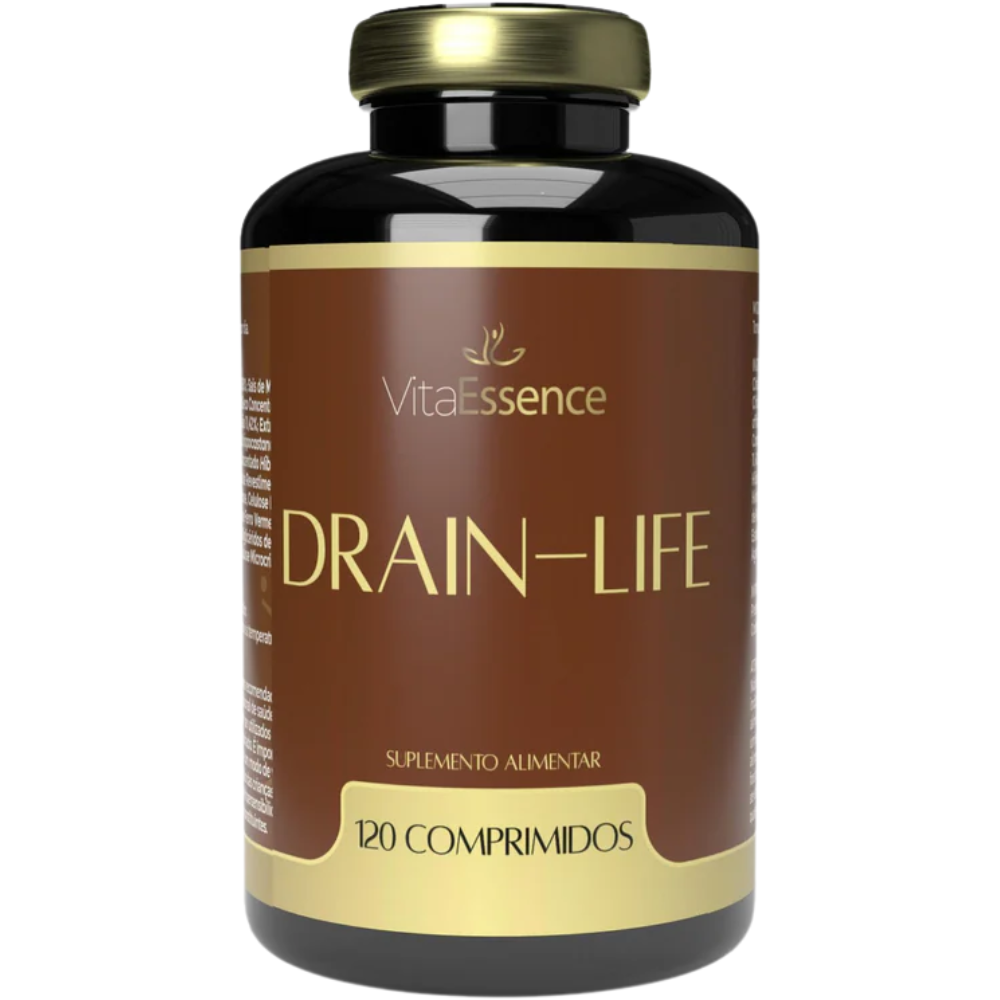
VitaEssence Drain-Life Well-Being Food Supplement 120 pillsA food supplement for redness. It a carefully formulated blend of minerals and botanical extracts designed to support fluid balance and everyday well-being. Supports fluid balance and everyday well-being. Helps maintain normal electrolyte balance. Combines botanical extracts traditionally used to support drainage.40,78 £*Shipping: 7,11 £Secure redirect to the provider
-
Healfit Counter Respirator Fitness Equipment, Breathing Trainer Mouthpiece, Lung Exercise Tool For Household Health Care Respirator Fitness Equipment, Breathing Trainer Mouthpiece, Lung Exercise Tool For Household Health CareEnhance your fitness and stamina with the Breathing Trainer Exercise Lung Face Mouthpiece Respirator Fitness Equipmentyour compact solution for improving lung performance and endurance. Designed for athletes, fitness enthusiasts, and anyone looking...27,97 $*Shipping: 0,00 $Secure redirect to the provider
-
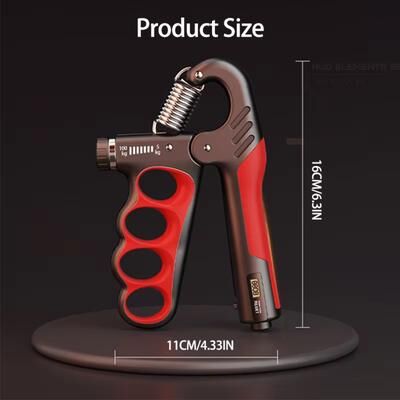
Healfit Counter Grip Strength Gym Wrist Expander Hand Strengthener Adjustable Muscle Recovery Tool For Fitness Hand Strength Exercise mechanical RedBuild Strength and Improve Recovery Discover the Grip Strength Gym Wrist Expander Hand Strengthener Adjustable Muscle Recovery Fitness Hand Strength Exercise device that helps you gain powerful grip strength, speed up muscle recovery, and enhance...29,97 $*Shipping: 0,00 $Secure redirect to the provider
-
Smart Shopping Spot Grip Strength Trainer Hand Grip Strengthener For Fitness, Forearm Exercise & Rehabilitation blueBuild stronger hands with a grip strength trainer designed to improve power, endurance, and confidence in every workout. Whether you're an athlete, musician, climber, or recovering from injury, this hand grip strengthener helps enhance grip...31,97 $*Shipping: 0,00 $Secure redirect to the provider


-
What is the difference between intrachromosomal recombination and interchromosomal recombination?
Intrachromosomal recombination occurs between two different regions of the same chromosome, leading to the exchange of genetic material within the same chromosome. On the other hand, interchromosomal recombination involves the exchange of genetic material between two different chromosomes. Intrachromosomal recombination can lead to the creation of genetic diversity within a single chromosome, while interchromosomal recombination can result in the exchange of genetic material between different chromosomes, leading to genetic diversity among different chromosomes. **
-
What is recombination in biology?
Recombination in biology refers to the process by which genetic material from two different sources is combined to produce a new combination of genes. This can occur through sexual reproduction, where genetic material from two parents is combined to create offspring with a unique genetic makeup. Recombination plays a crucial role in generating genetic diversity within populations, which is important for evolution and adaptation to changing environments. In organisms that reproduce sexually, recombination occurs during meiosis, where homologous chromosomes exchange genetic material through a process called crossing over. **
-
What is recombination and genetic variability?
Recombination is the process by which genetic material is exchanged between two similar molecules of DNA, resulting in new combinations of genes. This process occurs during meiosis, the cell division that produces gametes (sperm and egg cells). Genetic variability refers to the diversity of genetic material within a population, which is influenced by factors such as recombination, mutations, and gene flow. Recombination plays a key role in generating genetic variability by creating new combinations of genes, which can lead to increased diversity and adaptation within a population. **
-
How does crossing-over influence recombination?
Crossing-over is a process during meiosis where homologous chromosomes exchange genetic material. This exchange of genetic material results in new combinations of alleles on the chromosomes, leading to genetic recombination. By shuffling genetic material between homologous chromosomes, crossing-over increases genetic diversity in offspring and can result in the creation of new combinations of traits. This process is essential for generating genetic variation within a population and plays a crucial role in evolution. **

How many offspring are produced through recombination?
Recombination typically results in two offspring being produced. This is because during recombination, genetic material from two parent organisms is combined to create a new individual with a unique combination of traits. This process allows for genetic diversity and variation within a population. **
When does disproportionation occur instead of recombination?
Disproportionation occurs when a single species is both oxidized and reduced in a reaction, leading to the formation of two different products with different oxidation states. This process typically occurs when the species involved can exist in multiple oxidation states and there is no suitable reactant available for recombination. In contrast, recombination occurs when two species with different oxidation states combine to form a single product with an intermediate oxidation state. **
Top-Angebote
Products related to Recombination:
-
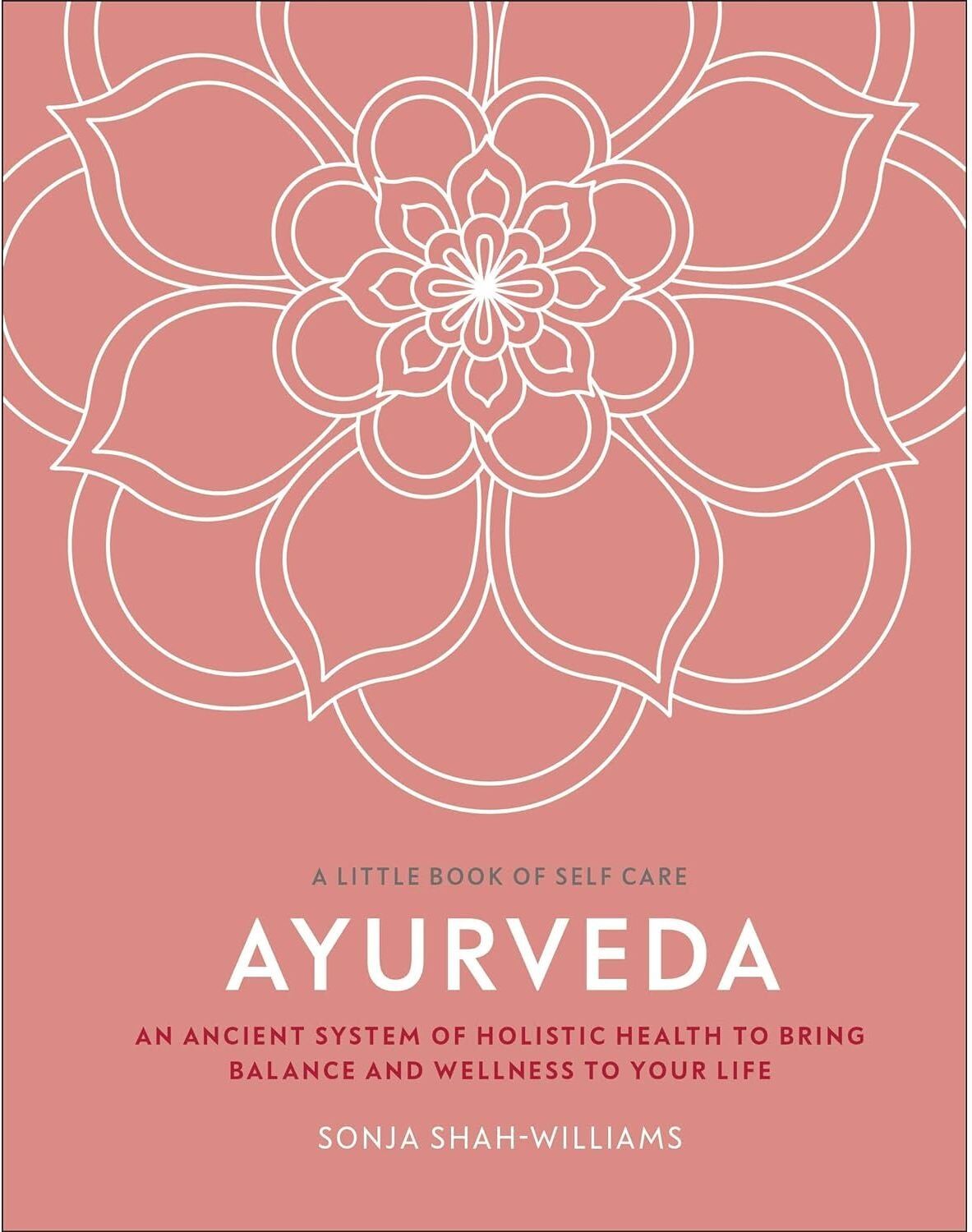
DK Ayurveda: An Ancient System of Holistic Health to Bring Balance and Wellness to Your Life (A Little Book of Self Care)Make Ayurveda an indispensable part of your daily routine with this step-by-step guide to holistic balance and wellness. For a natural approach to self-healing, alternative medicine, and wellness, expert Sonja Shah-Williams has tailored remedies including Ayurveda recipes, skincare, yoga, and mindful meditation techniques. Harness the power of alternative therapies and discover: - What Ayurveda is and the benefits of the practice - Easy to follow, step by step illustrated guide to Ayurvedic practices - Ayurvedic super-foods and recipes - How to easily incorporate holistic practices into daily life - Positive affirmations, mindfulness techniques and exercises Modern science has proved the effectiveness of Ayurveda as a view of the world based on ancient beliefs that everything is connected and that balance is the key to wellbeing. Ayurveda focuses on the prevention of disease by focusing on anti-inflammatory diets, mindful meditation, and massages. This practical guide is an Ayurvedic consultation at your disposal. This little self-care book will take you on a breathtaking journey of holistic healing. It begins by unpacking what Ayurveda is and the benefits of the practice. This reference book includes wellness practices designed to uplift the mind, body, and spirit and healing treatments designed to address, relieve, and help cure a range of common conditions.4,95 £*Shipping: 1,99 £Secure redirect to the provider
-
HARPERCOLLINS Clean Eating Alice: Everyday Fitness – Healthy Recipes & Practical Workout Guide for Everyday Wellness by Alice Liveing – Workout & Nutrition GuideTransform your approach to health and fitness with Clean Eating Alice Everyday Fitness: Train Smart, Eat Well and Get the Body You Love by Alice Liveing. This practical, motivating guide combines smart training principles with balanced nutrition to help readers build strength, confidence, and sustainable healthy habits. Alice Liveing shares structured workout plans, approachable meal ideas, and realistic lifestyle advice designed to fit everyday routines — no extremes or quick fixes required. Focused on long-term wellbeing rather than short-term dieting, the book empowers readers to develop a positive relationship with food and exercise while working toward personal fitness goals. Whether you’re new to training or refining your routine, this guide offers clear, supportive direction for lasting results. Why Readers Love This Book: Structured fitness training plans for real-life schedules Balanced nutrition guidance — no fad dieting Encourages sustainable, long-term habits Motivational, beginner-friendly tone Ideal for home or gym-based workouts A smart, accessible roadmap to healthier living, Clean Eating Alice Everyday Fitness helps readers feel strong, energized, and confident.2,80 £*Shipping: 1,99 £Secure redirect to the provider
-
VitaEssence Drain-Life Well-Being Food Supplement 120 pillsA food supplement for redness. It a carefully formulated blend of minerals and botanical extracts designed to support fluid balance and everyday well-being. Supports fluid balance and everyday well-being. Helps maintain normal electrolyte balance. Combines botanical extracts traditionally used to support drainage.40,78 £*Shipping: 7,11 £Secure redirect to the provider
-
Healfit Counter Respirator Fitness Equipment, Breathing Trainer Mouthpiece, Lung Exercise Tool For Household Health Care Respirator Fitness Equipment, Breathing Trainer Mouthpiece, Lung Exercise Tool For Household Health CareEnhance your fitness and stamina with the Breathing Trainer Exercise Lung Face Mouthpiece Respirator Fitness Equipmentyour compact solution for improving lung performance and endurance. Designed for athletes, fitness enthusiasts, and anyone looking...27,97 $*Shipping: 0,00 $Secure redirect to the provider
-
How do non-homologous recombination and homologous recombination work?
Non-homologous recombination involves the joining of two DNA molecules at non-homologous sequences, resulting in the insertion, deletion, or rearrangement of genetic material. This process is often error-prone and can lead to mutations. Homologous recombination, on the other hand, involves the exchange of genetic material between two similar DNA molecules, typically occurring during meiosis. This process is important for repairing DNA damage and ensuring genetic diversity. It involves the exchange of genetic material between homologous chromosomes, resulting in the formation of new combinations of genes. **
-
What is the difference between interchromosomal recombination and intrachromosomal recombination?
Interchromosomal recombination involves the exchange of genetic material between two different chromosomes, while intrachromosomal recombination involves the exchange of genetic material within the same chromosome. Interchromosomal recombination can result in the creation of new combinations of genes from different chromosomes, leading to genetic diversity. In contrast, intrachromosomal recombination can lead to the repair of DNA damage or the creation of genetic variation within the same chromosome. Both processes are important for genetic diversity and evolution. **
-
What is the difference between intrachromosomal recombination and interchromosomal recombination?
Intrachromosomal recombination occurs between two different regions of the same chromosome, leading to the exchange of genetic material within the same chromosome. On the other hand, interchromosomal recombination involves the exchange of genetic material between two different chromosomes. Intrachromosomal recombination can lead to the creation of genetic diversity within a single chromosome, while interchromosomal recombination can result in the exchange of genetic material between different chromosomes, leading to genetic diversity among different chromosomes. **
-
What is recombination in biology?
Recombination in biology refers to the process by which genetic material from two different sources is combined to produce a new combination of genes. This can occur through sexual reproduction, where genetic material from two parents is combined to create offspring with a unique genetic makeup. Recombination plays a crucial role in generating genetic diversity within populations, which is important for evolution and adaptation to changing environments. In organisms that reproduce sexually, recombination occurs during meiosis, where homologous chromosomes exchange genetic material through a process called crossing over. **
Similar search terms for Recombination
-
Healfit Counter Grip Strength Gym Wrist Expander Hand Strengthener Adjustable Muscle Recovery Tool For Fitness Hand Strength Exercise mechanical RedBuild Strength and Improve Recovery Discover the Grip Strength Gym Wrist Expander Hand Strengthener Adjustable Muscle Recovery Fitness Hand Strength Exercise device that helps you gain powerful grip strength, speed up muscle recovery, and enhance...29,97 $*Shipping: 0,00 $Secure redirect to the provider
-
Smart Shopping Spot Grip Strength Trainer Hand Grip Strengthener For Fitness, Forearm Exercise & Rehabilitation blueBuild stronger hands with a grip strength trainer designed to improve power, endurance, and confidence in every workout. Whether you're an athlete, musician, climber, or recovering from injury, this hand grip strengthener helps enhance grip...31,97 $*Shipping: 0,00 $Secure redirect to the provider
-
Healfit Counter Grip Strength Gym Wrist Expander Hand Strengthener Adjustable Muscle Recovery Tool For Fitness Hand Strength Exercise mechanical GrayBuild Strength and Improve Recovery Discover the Grip Strength Gym Wrist Expander Hand Strengthener Adjustable Muscle Recovery Fitness Hand Strength Exercise device that helps you gain powerful grip strength, speed up muscle recovery, and enhance...29,97 $*Shipping: 0,00 $Secure redirect to the provider
-
Healfit Counter Grip Strength Gym Wrist Expander Hand Strengthener Adjustable Muscle Recovery Tool For Fitness Hand Strength Exercise count greyBuild Strength and Improve Recovery Discover the Grip Strength Gym Wrist Expander Hand Strengthener Adjustable Muscle Recovery Fitness Hand Strength Exercise device that helps you gain powerful grip strength, speed up muscle recovery, and enhance...29,97 $*Shipping: 0,00 $Secure redirect to the provider
-
What is recombination and genetic variability?
Recombination is the process by which genetic material is exchanged between two similar molecules of DNA, resulting in new combinations of genes. This process occurs during meiosis, the cell division that produces gametes (sperm and egg cells). Genetic variability refers to the diversity of genetic material within a population, which is influenced by factors such as recombination, mutations, and gene flow. Recombination plays a key role in generating genetic variability by creating new combinations of genes, which can lead to increased diversity and adaptation within a population. **
-
How does crossing-over influence recombination?
Crossing-over is a process during meiosis where homologous chromosomes exchange genetic material. This exchange of genetic material results in new combinations of alleles on the chromosomes, leading to genetic recombination. By shuffling genetic material between homologous chromosomes, crossing-over increases genetic diversity in offspring and can result in the creation of new combinations of traits. This process is essential for generating genetic variation within a population and plays a crucial role in evolution. **
-
How many offspring are produced through recombination?
Recombination typically results in two offspring being produced. This is because during recombination, genetic material from two parent organisms is combined to create a new individual with a unique combination of traits. This process allows for genetic diversity and variation within a population. **
-
When does disproportionation occur instead of recombination?
Disproportionation occurs when a single species is both oxidized and reduced in a reaction, leading to the formation of two different products with different oxidation states. This process typically occurs when the species involved can exist in multiple oxidation states and there is no suitable reactant available for recombination. In contrast, recombination occurs when two species with different oxidation states combine to form a single product with an intermediate oxidation state. **
* All prices are inclusive of VAT and, if applicable, plus shipping costs. The offer information is based on the details provided by the respective shop and is updated through automated processes. Real-time updates do not occur, so deviations can occur in individual cases. ** Note: Parts of this content were created by AI.