Buy healthmastery.eu ?
We are moving the project
healthmastery.eu .
Are you interested in purchasing the domain
healthmastery.eu ?
domain@kv-gmbh.de · 0541-91531010
Buy healthmastery.eu ?
Where does a rhea originate from?
The rhea is native to South America, specifically found in countries such as Argentina, Brazil, Bolivia, Paraguay, and Uruguay. They are typically found in grasslands, savannas, and shrublands in these regions. Rheas are flightless birds that are closely related to ostriches and emus. **
How do you hatch Rhea eggs?
To hatch Rhea eggs, you will need an incubator set to a temperature of around 97-100 degrees Fahrenheit and a humidity level of 40-50%. Place the eggs in the incubator and turn them at least three times a day to ensure even heat distribution. It takes about 36 days for Rhea eggs to hatch, so be patient and monitor the temperature and humidity levels regularly to ensure a successful hatch. **


Similar search terms for Arthouse-Rhea-Multicolor-Succulents
Top-Angebote
Products related to Arthouse-Rhea-Multicolor-Succulents:
-
Arthouse Lucretia Multicolor Tropical WallpaperTropical Infinity is a unique design, a smoky charcoal background with an intricate maze design overlaid but not stopping there the design is intertwined with an assortment mirage of large pink flowers, tropical birds, delicate butterflies and dragon…32,99 $*Shipping: 0,00 $Secure redirect to the provider
-
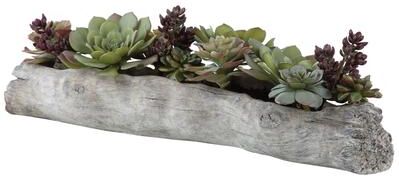
Uttermost Charita Lush SucculentsUttermost's botanicals combine premium quality materials with unique high-style design. With the advanced product engineering and packaging reinforcement, uttermost maintains some of the lowest damage rates in the industry.482,40 $*Shipping: 0,00 $Secure redirect to the provider



-
How can one save and care for succulents?
Succulents are relatively low-maintenance plants, but they do require some specific care to thrive. To save and care for succulents, it's important to provide them with well-draining soil, as they are prone to root rot if they sit in waterlogged soil. They also need plenty of sunlight, so be sure to place them in a sunny spot. Water sparingly, allowing the soil to dry out between waterings, and avoid getting water on the leaves to prevent rot. Finally, be mindful of the temperature, as most succulents prefer warm, dry conditions. With these simple care tips, you can save and care for your succulents and enjoy their beauty for years to come. **
-
What are succulents?
Succulents are a type of plant that have thick, fleshy leaves and stems that are able to store water. This allows them to survive in arid environments with low rainfall. They come in a wide variety of shapes, sizes, and colors, and are popular for their unique and often striking appearance. Succulents are also known for being relatively low-maintenance and are a popular choice for indoor and outdoor gardens. **
-
Are succulents poisonous?
Yes, some succulents can be poisonous if ingested. Many succulents contain toxic compounds that can cause gastrointestinal upset, skin irritation, or other adverse reactions if consumed by humans or pets. It's important to research the specific succulent species you have to understand any potential toxicity and take appropriate precautions to keep them out of reach of children and pets. If you suspect that someone has ingested a poisonous succulent, seek medical attention immediately. **
-
How can one prevent succulents from being overwatered?
To prevent succulents from being overwatered, it is important to ensure they are planted in well-draining soil, such as a cactus mix. Allow the soil to dry out completely between waterings, and only water when the top inch of soil feels dry to the touch. Additionally, make sure the succulents are in a pot with drainage holes to prevent water from pooling at the bottom. Lastly, avoid misting the leaves of the succulents, as this can contribute to overwatering. **
Why do succulents mold?
Succulents can mold due to excessive moisture or humidity levels, which create a damp environment ideal for mold growth. Overwatering, poor air circulation, and planting in containers without proper drainage can all contribute to mold growth on succulents. It is important to allow the soil to dry out between waterings and ensure that the succulents are planted in well-draining soil to prevent mold issues. **
How do you prune succulents?
To prune succulents, start by using clean, sharp scissors or pruning shears to remove any dead or damaged leaves. Cut as close to the base of the plant as possible without damaging the healthy leaves. You can also prune to shape the succulent or encourage new growth by cutting back leggy stems. Allow the cuttings to callous over for a few days before replanting them in well-draining soil to propagate new plants. **
Top-Angebote
Products related to Arthouse-Rhea-Multicolor-Succulents:
-
Arthouse Lucretia Multicolor Tropical WallpaperTropical Infinity is a unique design, a smoky charcoal background with an intricate maze design overlaid but not stopping there the design is intertwined with an assortment mirage of large pink flowers, tropical birds, delicate butterflies and dragon…32,99 $*Shipping: 0,00 $Secure redirect to the provider
-
Where does a rhea originate from?
The rhea is native to South America, specifically found in countries such as Argentina, Brazil, Bolivia, Paraguay, and Uruguay. They are typically found in grasslands, savannas, and shrublands in these regions. Rheas are flightless birds that are closely related to ostriches and emus. **
-
How do you hatch Rhea eggs?
To hatch Rhea eggs, you will need an incubator set to a temperature of around 97-100 degrees Fahrenheit and a humidity level of 40-50%. Place the eggs in the incubator and turn them at least three times a day to ensure even heat distribution. It takes about 36 days for Rhea eggs to hatch, so be patient and monitor the temperature and humidity levels regularly to ensure a successful hatch. **
-
How can one save and care for succulents?
Succulents are relatively low-maintenance plants, but they do require some specific care to thrive. To save and care for succulents, it's important to provide them with well-draining soil, as they are prone to root rot if they sit in waterlogged soil. They also need plenty of sunlight, so be sure to place them in a sunny spot. Water sparingly, allowing the soil to dry out between waterings, and avoid getting water on the leaves to prevent rot. Finally, be mindful of the temperature, as most succulents prefer warm, dry conditions. With these simple care tips, you can save and care for your succulents and enjoy their beauty for years to come. **
-
What are succulents?
Succulents are a type of plant that have thick, fleshy leaves and stems that are able to store water. This allows them to survive in arid environments with low rainfall. They come in a wide variety of shapes, sizes, and colors, and are popular for their unique and often striking appearance. Succulents are also known for being relatively low-maintenance and are a popular choice for indoor and outdoor gardens. **
Similar search terms for Arthouse-Rhea-Multicolor-Succulents
-
Uttermost Charita Lush SucculentsUttermost's botanicals combine premium quality materials with unique high-style design. With the advanced product engineering and packaging reinforcement, uttermost maintains some of the lowest damage rates in the industry.482,40 $*Shipping: 0,00 $Secure redirect to the provider
-
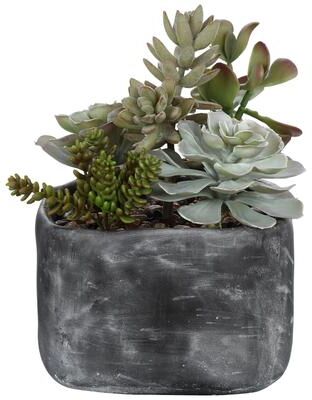
Uttermost Alverio Desert Garden SucculentsUttermost's botanicals combine premium quality materials with unique high-style design. With the advanced product engineering and packaging reinforcement, uttermost maintains some of the lowest damage rates in the industry.225,60 $*Shipping: 0,00 $Secure redirect to the provider
-
Are succulents poisonous?
Yes, some succulents can be poisonous if ingested. Many succulents contain toxic compounds that can cause gastrointestinal upset, skin irritation, or other adverse reactions if consumed by humans or pets. It's important to research the specific succulent species you have to understand any potential toxicity and take appropriate precautions to keep them out of reach of children and pets. If you suspect that someone has ingested a poisonous succulent, seek medical attention immediately. **
-
How can one prevent succulents from being overwatered?
To prevent succulents from being overwatered, it is important to ensure they are planted in well-draining soil, such as a cactus mix. Allow the soil to dry out completely between waterings, and only water when the top inch of soil feels dry to the touch. Additionally, make sure the succulents are in a pot with drainage holes to prevent water from pooling at the bottom. Lastly, avoid misting the leaves of the succulents, as this can contribute to overwatering. **
-
Why do succulents mold?
Succulents can mold due to excessive moisture or humidity levels, which create a damp environment ideal for mold growth. Overwatering, poor air circulation, and planting in containers without proper drainage can all contribute to mold growth on succulents. It is important to allow the soil to dry out between waterings and ensure that the succulents are planted in well-draining soil to prevent mold issues. **
-
How do you prune succulents?
To prune succulents, start by using clean, sharp scissors or pruning shears to remove any dead or damaged leaves. Cut as close to the base of the plant as possible without damaging the healthy leaves. You can also prune to shape the succulent or encourage new growth by cutting back leggy stems. Allow the cuttings to callous over for a few days before replanting them in well-draining soil to propagate new plants. **
* All prices are inclusive of VAT and, if applicable, plus shipping costs. The offer information is based on the details provided by the respective shop and is updated through automated processes. Real-time updates do not occur, so deviations can occur in individual cases. ** Note: Parts of this content were created by AI.