Buy healthmastery.eu ?
We are moving the project
healthmastery.eu .
Are you interested in purchasing the domain
healthmastery.eu ?
domain@kv-gmbh.de · 0541-91531010
Buy healthmastery.eu ?
'Will + participle 2?'
"Will + participle 2" is a construction used to form the future perfect tense in English. It is used to indicate an action that will be completed before a specific point in the future. This construction is formed by using the auxiliary verb "will" followed by the past participle of the main verb. For example, "By the time you arrive, I will have finished my homework." **
What are the Latin forms of the present participle, perfect passive participle, and future active participle?
The Latin present participle is formed by adding -ns, -ntis to the present stem of the verb. For example, the present participle of the verb "amo" (I love) is "amans, amantis" (loving). The perfect passive participle is formed by adding -us, -a, -um to the verb stem. For example, the perfect passive participle of the verb "amo" is "amatus, amata, amatum" (loved). The future active participle is formed by adding -urus, -ura, -urum to the verb stem. For example, the future active participle of the verb "amo" is "amaturus, amatura, amaturum" (about to love). **

Similar search terms for Participle
Top-Angebote
Products related to Participle:
-
Healfit Counter Respirator Fitness Equipment, Breathing Trainer Mouthpiece, Lung Exercise Tool For Household Health Care Respirator Fitness Equipment, Breathing Trainer Mouthpiece, Lung Exercise Tool For Household Health CareEnhance your fitness and stamina with the Breathing Trainer Exercise Lung Face Mouthpiece Respirator Fitness Equipmentyour compact solution for improving lung performance and endurance. Designed for athletes, fitness enthusiasts, and anyone looking...27,97 $*Shipping: 0,00 $Secure redirect to the provider
-
Healfit Counter Grip Strength Gym Wrist Expander Hand Strengthener Adjustable Muscle Recovery Tool For Fitness Hand Strength Exercise mechanical OrangeBuild Strength and Improve Recovery Discover the Grip Strength Gym Wrist Expander Hand Strengthener Adjustable Muscle Recovery Fitness Hand Strength Exercise device that helps you gain powerful grip strength, speed up muscle recovery, and enhance...29,97 $*Shipping: 0,00 $Secure redirect to the provider
-
Smart Shopping Spot Grip Strength Trainer Hand Grip Strengthener For Fitness, Forearm Exercise & Rehabilitation redBuild stronger hands with a grip strength trainer designed to improve power, endurance, and confidence in every workout. Whether you're an athlete, musician, climber, or recovering from injury, this hand grip strengthener helps enhance grip...31,97 $*Shipping: 0,00 $Secure redirect to the provider
-
Rare Purchases Weighted Leather Med Ball Set Exercise Medicine Balls No Slip Grip For Strength Training Stability Plyometric Fitness Weighted Leather Med Ball Set Exercise Medicine Balls No Slip Grip For Strength Training Stability Plyometric FitnessDiscover Unmatched Performance with Leather NoSlip Grip Exercise Medicine Balls Elevate your fitness routine with a premium set of Exercise Medicine Balls, Leather with NoSlip Grip designed to deliver solid performance, durability, and safety....85,97 $*Shipping: 0,00 $Secure redirect to the provider




-
What are participle clauses?
Participle clauses are a type of clause that uses a present participle (-ing form) or a past participle (-ed form) to provide additional information about the subject of the main clause. They can be used to show simultaneous actions, cause and effect, or to provide descriptive details. For example, in the sentence "Feeling tired, she decided to go to bed," the participle clause "Feeling tired" provides additional information about the subject "she." **
-
What is a participle?
A participle is a form of a verb that can function as an adjective or be part of a verb phrase. There are two types of participles in English: the present participle, which ends in -ing (e.g. "walking"), and the past participle, which can end in -ed, -en, -d, -t, -n, or -ne (e.g. "broken"). Participles are used to modify nouns or pronouns, and they can also be used to form verb tenses such as the present perfect or past perfect. **
-
What is the difference between the past participle and the present participle?
The past participle is a verb form used to indicate a completed action or state that occurred in the past. It is often used with auxiliary verbs to form the perfect tenses (e.g., "has eaten," "had gone"). The present participle, on the other hand, is a verb form used to indicate an ongoing action or state in the present or future. It is formed by adding "-ing" to the base form of the verb and is used to create the progressive tenses (e.g., "is eating," "will be going"). **
-
How can the terms premature, simultaneous, and subsequent be explained in relation to past participle, present participle, and future participle?
The terms premature, simultaneous, and subsequent can be explained in relation to past participle, present participle, and future participle based on their timing in relation to the action of the verb. The past participle refers to an action that has already been completed, making it premature in relation to the present moment. The present participle refers to an action that is happening at the same time as something else, making it simultaneous. The future participle refers to an action that will happen at a later time, making it subsequent to the present moment. These terms help to clarify the timing of the action in relation to the verb. **


What are meditation and mindfulness?
Meditation is a practice that involves focusing the mind on a particular object, thought, or activity to train attention and awareness, and achieve a mentally clear and emotionally calm state. Mindfulness is a type of meditation that involves paying attention to the present moment without judgment. It involves being fully aware of your thoughts, feelings, bodily sensations, and surrounding environment. Both meditation and mindfulness have been shown to have numerous benefits for mental and physical well-being, including reducing stress, improving focus, and enhancing overall quality of life. **
What is a nominalized participle?
A nominalized participle is a verb form that has been turned into a noun. This is done by adding a suffix to the participle form of the verb, which allows it to function as a noun in a sentence. Nominalized participles are commonly used in various languages to express actions or qualities in a more abstract or general way. **
Top-Angebote
Products related to Participle:
-
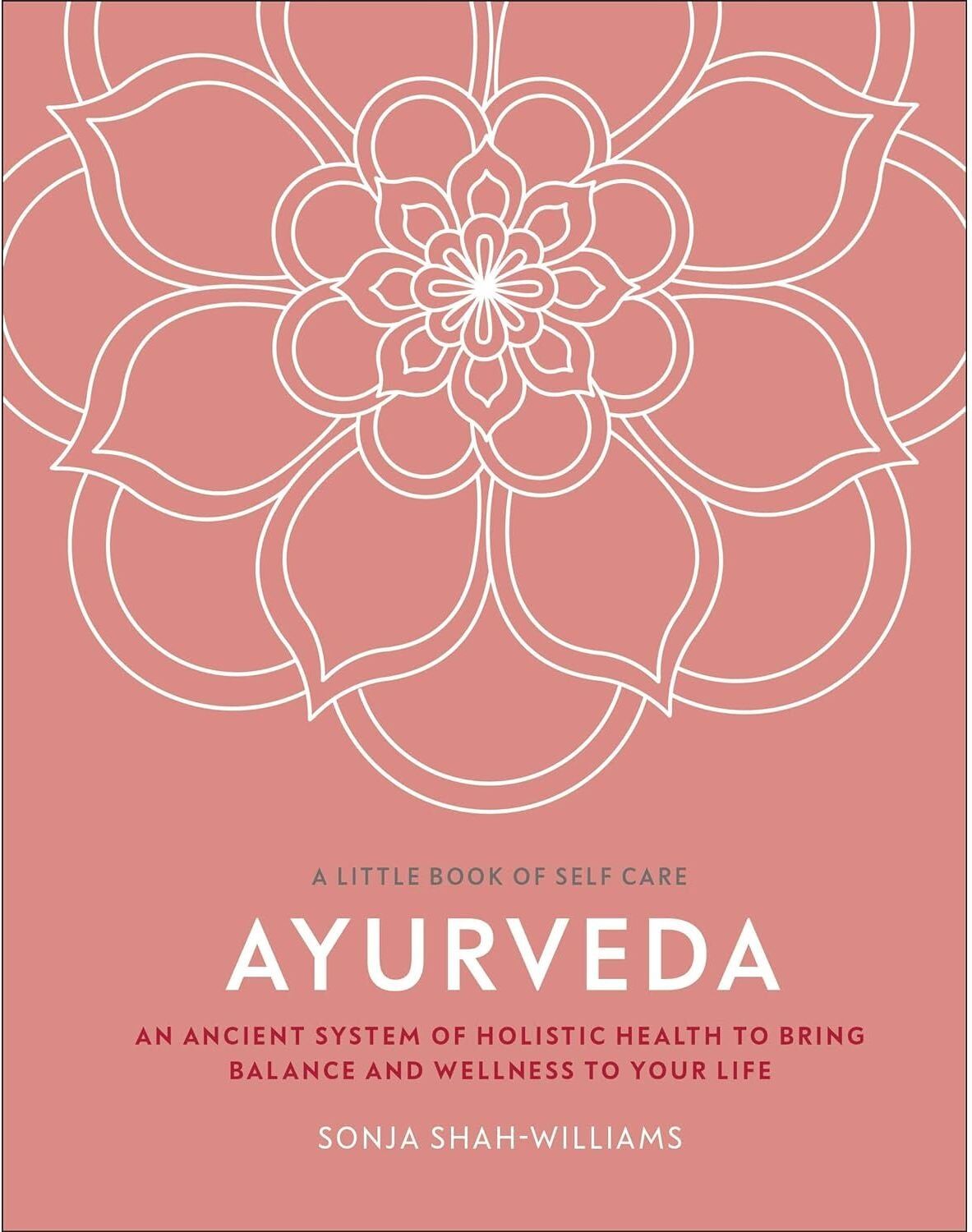
DK Ayurveda: An Ancient System of Holistic Health to Bring Balance and Wellness to Your Life (A Little Book of Self Care)Make Ayurveda an indispensable part of your daily routine with this step-by-step guide to holistic balance and wellness. For a natural approach to self-healing, alternative medicine, and wellness, expert Sonja Shah-Williams has tailored remedies including Ayurveda recipes, skincare, yoga, and mindful meditation techniques. Harness the power of alternative therapies and discover: - What Ayurveda is and the benefits of the practice - Easy to follow, step by step illustrated guide to Ayurvedic practices - Ayurvedic super-foods and recipes - How to easily incorporate holistic practices into daily life - Positive affirmations, mindfulness techniques and exercises Modern science has proved the effectiveness of Ayurveda as a view of the world based on ancient beliefs that everything is connected and that balance is the key to wellbeing. Ayurveda focuses on the prevention of disease by focusing on anti-inflammatory diets, mindful meditation, and massages. This practical guide is an Ayurvedic consultation at your disposal. This little self-care book will take you on a breathtaking journey of holistic healing. It begins by unpacking what Ayurveda is and the benefits of the practice. This reference book includes wellness practices designed to uplift the mind, body, and spirit and healing treatments designed to address, relieve, and help cure a range of common conditions.4,95 £*Shipping: 1,99 £Secure redirect to the provider
-
HARPERCOLLINS Clean Eating Alice: Everyday Fitness – Healthy Recipes & Practical Workout Guide for Everyday Wellness by Alice Liveing – Workout & Nutrition GuideTransform your approach to health and fitness with Clean Eating Alice Everyday Fitness: Train Smart, Eat Well and Get the Body You Love by Alice Liveing. This practical, motivating guide combines smart training principles with balanced nutrition to help readers build strength, confidence, and sustainable healthy habits. Alice Liveing shares structured workout plans, approachable meal ideas, and realistic lifestyle advice designed to fit everyday routines — no extremes or quick fixes required. Focused on long-term wellbeing rather than short-term dieting, the book empowers readers to develop a positive relationship with food and exercise while working toward personal fitness goals. Whether you’re new to training or refining your routine, this guide offers clear, supportive direction for lasting results. Why Readers Love This Book: Structured fitness training plans for real-life schedules Balanced nutrition guidance — no fad dieting Encourages sustainable, long-term habits Motivational, beginner-friendly tone Ideal for home or gym-based workouts A smart, accessible roadmap to healthier living, Clean Eating Alice Everyday Fitness helps readers feel strong, energized, and confident.2,80 £*Shipping: 1,99 £Secure redirect to the provider
-
Healfit Counter Respirator Fitness Equipment, Breathing Trainer Mouthpiece, Lung Exercise Tool For Household Health Care Respirator Fitness Equipment, Breathing Trainer Mouthpiece, Lung Exercise Tool For Household Health CareEnhance your fitness and stamina with the Breathing Trainer Exercise Lung Face Mouthpiece Respirator Fitness Equipmentyour compact solution for improving lung performance and endurance. Designed for athletes, fitness enthusiasts, and anyone looking...27,97 $*Shipping: 0,00 $Secure redirect to the provider
-
Healfit Counter Grip Strength Gym Wrist Expander Hand Strengthener Adjustable Muscle Recovery Tool For Fitness Hand Strength Exercise mechanical OrangeBuild Strength and Improve Recovery Discover the Grip Strength Gym Wrist Expander Hand Strengthener Adjustable Muscle Recovery Fitness Hand Strength Exercise device that helps you gain powerful grip strength, speed up muscle recovery, and enhance...29,97 $*Shipping: 0,00 $Secure redirect to the provider
-
'Will + participle 2?'
"Will + participle 2" is a construction used to form the future perfect tense in English. It is used to indicate an action that will be completed before a specific point in the future. This construction is formed by using the auxiliary verb "will" followed by the past participle of the main verb. For example, "By the time you arrive, I will have finished my homework." **
-
What are the Latin forms of the present participle, perfect passive participle, and future active participle?
The Latin present participle is formed by adding -ns, -ntis to the present stem of the verb. For example, the present participle of the verb "amo" (I love) is "amans, amantis" (loving). The perfect passive participle is formed by adding -us, -a, -um to the verb stem. For example, the perfect passive participle of the verb "amo" is "amatus, amata, amatum" (loved). The future active participle is formed by adding -urus, -ura, -urum to the verb stem. For example, the future active participle of the verb "amo" is "amaturus, amatura, amaturum" (about to love). **
-
What are participle clauses?
Participle clauses are a type of clause that uses a present participle (-ing form) or a past participle (-ed form) to provide additional information about the subject of the main clause. They can be used to show simultaneous actions, cause and effect, or to provide descriptive details. For example, in the sentence "Feeling tired, she decided to go to bed," the participle clause "Feeling tired" provides additional information about the subject "she." **
-
What is a participle?
A participle is a form of a verb that can function as an adjective or be part of a verb phrase. There are two types of participles in English: the present participle, which ends in -ing (e.g. "walking"), and the past participle, which can end in -ed, -en, -d, -t, -n, or -ne (e.g. "broken"). Participles are used to modify nouns or pronouns, and they can also be used to form verb tenses such as the present perfect or past perfect. **
Similar search terms for Participle
-
Smart Shopping Spot Grip Strength Trainer Hand Grip Strengthener For Fitness, Forearm Exercise & Rehabilitation redBuild stronger hands with a grip strength trainer designed to improve power, endurance, and confidence in every workout. Whether you're an athlete, musician, climber, or recovering from injury, this hand grip strengthener helps enhance grip...31,97 $*Shipping: 0,00 $Secure redirect to the provider
-
Rare Purchases Weighted Leather Med Ball Set Exercise Medicine Balls No Slip Grip For Strength Training Stability Plyometric Fitness Weighted Leather Med Ball Set Exercise Medicine Balls No Slip Grip For Strength Training Stability Plyometric FitnessDiscover Unmatched Performance with Leather NoSlip Grip Exercise Medicine Balls Elevate your fitness routine with a premium set of Exercise Medicine Balls, Leather with NoSlip Grip designed to deliver solid performance, durability, and safety....85,97 $*Shipping: 0,00 $Secure redirect to the provider
-
Healfit Counter Grip Strength Gym Wrist Expander Hand Strengthener Adjustable Muscle Recovery Tool For Fitness Hand Strength Exercise mechanical RedBuild Strength and Improve Recovery Discover the Grip Strength Gym Wrist Expander Hand Strengthener Adjustable Muscle Recovery Fitness Hand Strength Exercise device that helps you gain powerful grip strength, speed up muscle recovery, and enhance...29,97 $*Shipping: 0,00 $Secure redirect to the provider
-
Healfit Counter Grip Strength Gym Wrist Expander Hand Strengthener Adjustable Muscle Recovery Tool For Fitness Hand Strength Exercise count greyBuild Strength and Improve Recovery Discover the Grip Strength Gym Wrist Expander Hand Strengthener Adjustable Muscle Recovery Fitness Hand Strength Exercise device that helps you gain powerful grip strength, speed up muscle recovery, and enhance...29,97 $*Shipping: 0,00 $Secure redirect to the provider
-
What is the difference between the past participle and the present participle?
The past participle is a verb form used to indicate a completed action or state that occurred in the past. It is often used with auxiliary verbs to form the perfect tenses (e.g., "has eaten," "had gone"). The present participle, on the other hand, is a verb form used to indicate an ongoing action or state in the present or future. It is formed by adding "-ing" to the base form of the verb and is used to create the progressive tenses (e.g., "is eating," "will be going"). **
-
How can the terms premature, simultaneous, and subsequent be explained in relation to past participle, present participle, and future participle?
The terms premature, simultaneous, and subsequent can be explained in relation to past participle, present participle, and future participle based on their timing in relation to the action of the verb. The past participle refers to an action that has already been completed, making it premature in relation to the present moment. The present participle refers to an action that is happening at the same time as something else, making it simultaneous. The future participle refers to an action that will happen at a later time, making it subsequent to the present moment. These terms help to clarify the timing of the action in relation to the verb. **
-
What are meditation and mindfulness?
Meditation is a practice that involves focusing the mind on a particular object, thought, or activity to train attention and awareness, and achieve a mentally clear and emotionally calm state. Mindfulness is a type of meditation that involves paying attention to the present moment without judgment. It involves being fully aware of your thoughts, feelings, bodily sensations, and surrounding environment. Both meditation and mindfulness have been shown to have numerous benefits for mental and physical well-being, including reducing stress, improving focus, and enhancing overall quality of life. **
-
What is a nominalized participle?
A nominalized participle is a verb form that has been turned into a noun. This is done by adding a suffix to the participle form of the verb, which allows it to function as a noun in a sentence. Nominalized participles are commonly used in various languages to express actions or qualities in a more abstract or general way. **
* All prices are inclusive of VAT and, if applicable, plus shipping costs. The offer information is based on the details provided by the respective shop and is updated through automated processes. Real-time updates do not occur, so deviations can occur in individual cases. ** Note: Parts of this content were created by AI.